
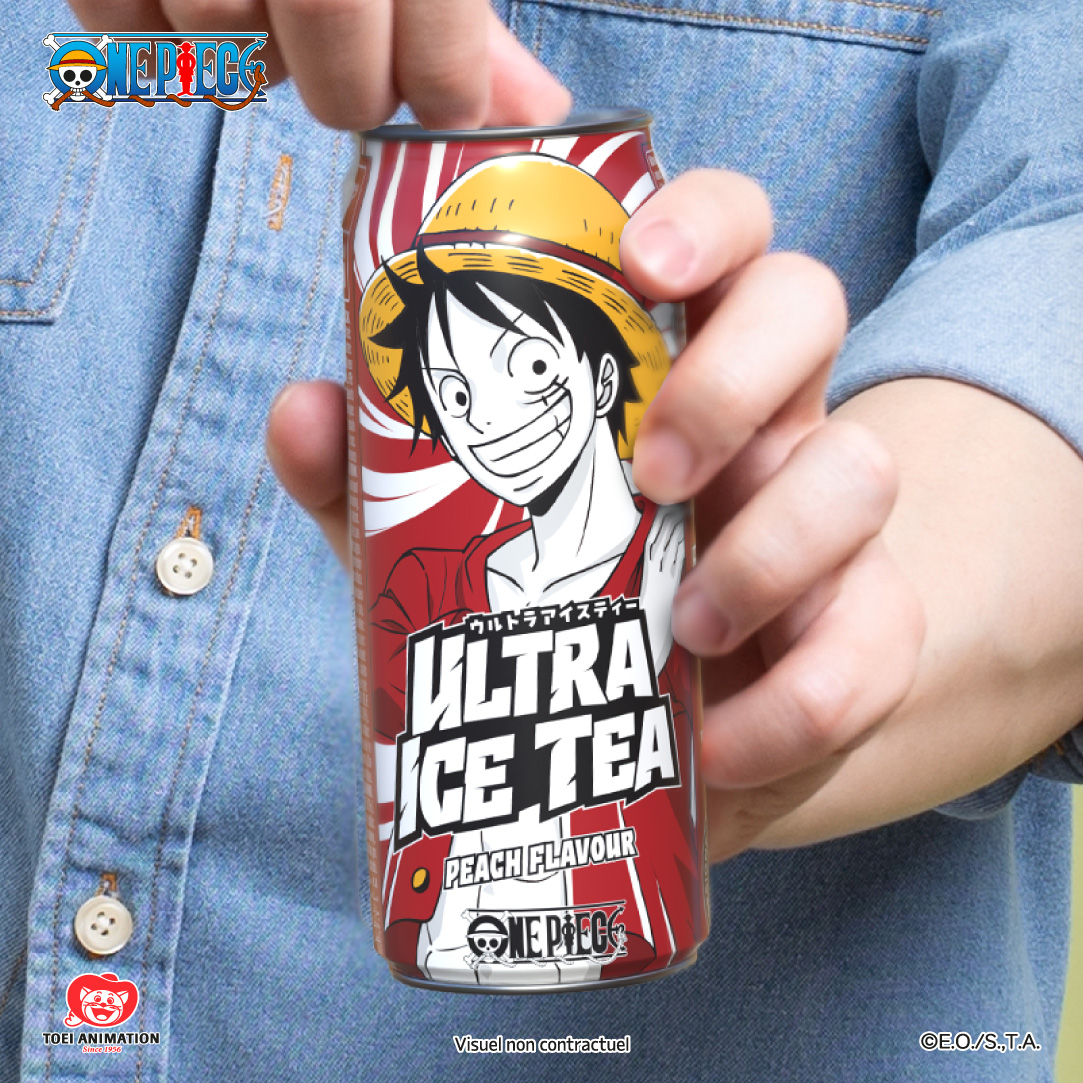
Licensed food products no longer merely decorate a shelf. When well designed, they connect an everyday consumption habit with a world the customer already cares about.
Snacking is driven by quick decisions: a recognisable shape, a clear promise and visible packaging. Pop culture adds an immediate emotional dimension. Consumers no longer buy only a drink or a bag of crisps; they also choose a character, a story and sometimes a collectible.
From impulse purchase to the fan experience
Manga, anime and gaming licences bring together active communities. They live all year through series, releases, games, events and social media. This continuity makes characters familiar and allows food products to fit naturally into everyday life.
For retailers, this familiarity shortens the time needed to understand the offer. A known franchise acts as a signpost. But the licence alone is not enough: the product must remain appetising, clear and consistent with its category.
Instant recognition, a genuine taste promise and a format suited to the sales channel.
Build a range that is more than decoration
1. Start with use cases
A chilled drink, on-the-go snack, impulse confectionery or quick meal: each use case corresponds to a specific location and consumption moment. A balanced range covers several of these moments without unnecessary duplication.
2. Create entry points
A highly familiar product attracts attention. Complementary formats then increase basket size and add depth to the corner. The aim is not to pile up characters, but to create a clear story.
3. Refresh without confusing
Collections, editions and new products maintain interest. A permanent core reassures repeat buyers while launches create events. This alternation gives the category a commercial rhythm.
Packaging becomes a medium
On social media as in store, a photogenic product gains a second wave of exposure. Colours, silhouette and character treatment must work from a distance, in the hand and on a phone screen.
At ULTRAPOP, this principle guides range development: creating food products that fulfil their primary function while fully embracing their cultural and visual potential.